
Aircraft

Current Information
Collection of general news from the field of technology and collection of technical communications from the FOCA

Aircraft registry
The Federal Office of Civil Aviation (FOCA) registers aeroplanes, helicopters and other rotorcraft, gliders and motor gliders, (manned) balloons and airships in the Swiss Aircraft Register (see also online aircraft register). Information on unmanned aviation (drones and model aircraft) see drones. The ownership requirements for an aircraft must be met at all times in order to remain in the Swiss Aircraft Register.

Airworthiness Directives (AD)
Airworthiness Directives are publications from the responsible authority (e.g. FOCA, EASA, FAA) related to airworthiness and maintenance of aircraft and aircraft parts. It contains measures which must be accomplished and the related periods to preserve their airworthiness. These technical information are addressed to operators, continuing airworthiness management organizations (CAMO) and maintenance organizations of the affected aircraft. Starting from 1st January 2009 the operator is obligated to inform himself actively and regularly about recently issued ADs for aircraft, engines, propellers and appliances.
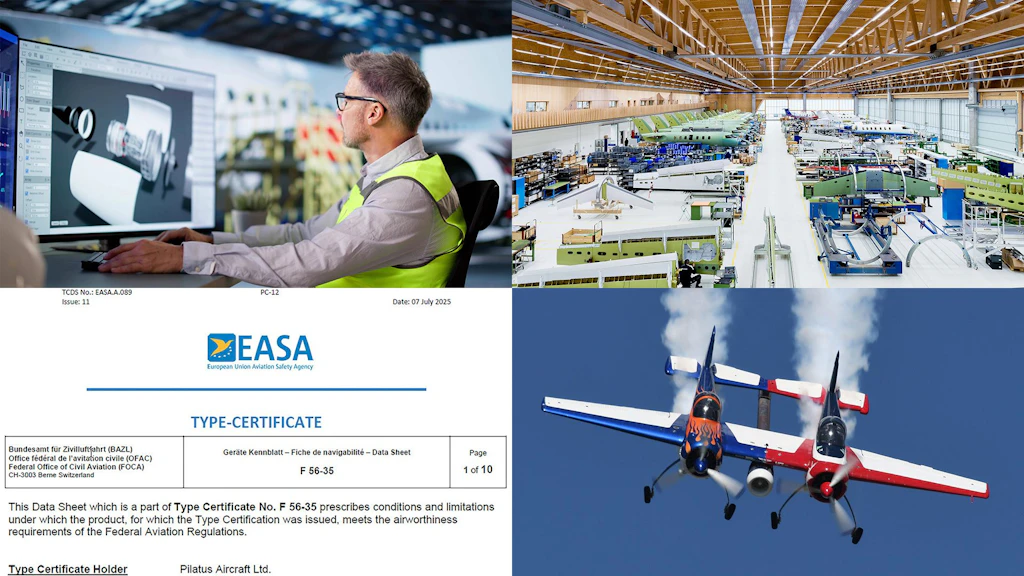
Design, Production, Type Certification, Changes
The Type Certification process assures that the design of new or modified aircraft, as well as parts and appliances, conform to internationally agreed safety standards. To achieve this, the European Commission regulations and procedures of the European Union Aviation Safety Agency (EASA) are applied.

Airworthiness (STLB & STLZ)
In order for an aircraft to be listed in the Swiss Aircraft Register, it must be inspected for compliance with the applicable airworthiness requirements. The airworthiness requirements are based on international and/or national regulations, depending on the aircraft.
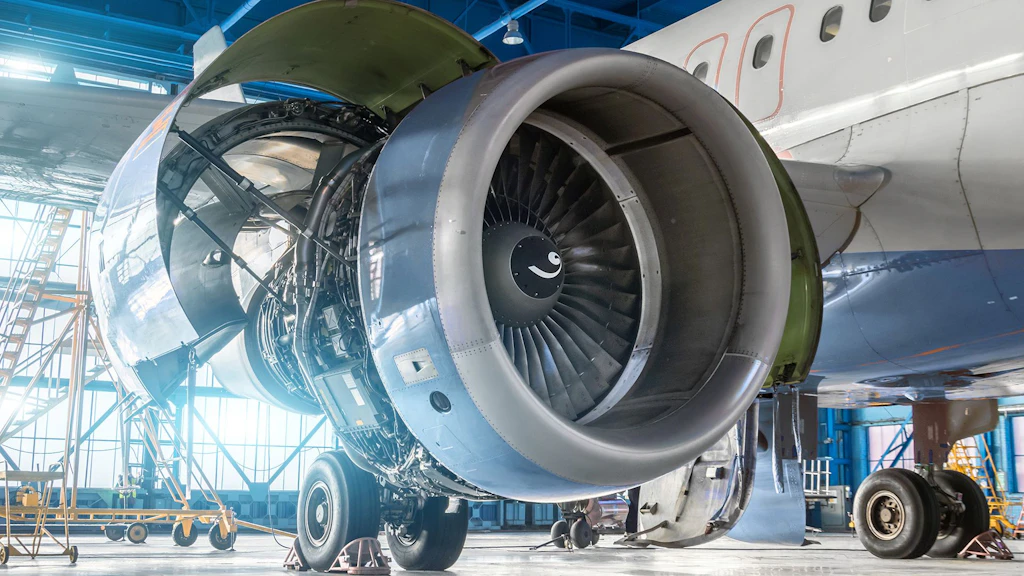
Maintenance on aircraft
Maintenance activities on aircraft may only be carried out by an organisation or specialised personnel who hold the necessary approvals. The FOCA issues such approval to organisations which have undergone an inspection and have thus demonstrated that they meet the relevant legal requirements. The approval procedure may take several months, depending on the size of the organisation and the complexity of the activities involved.

Airworthiness management (CAMO/CAO)
Continuing Airworthiness Management Organisations (CAMOs) are either integrated into an aviation company or take the form of a separate entity that specialises in airworthiness management.
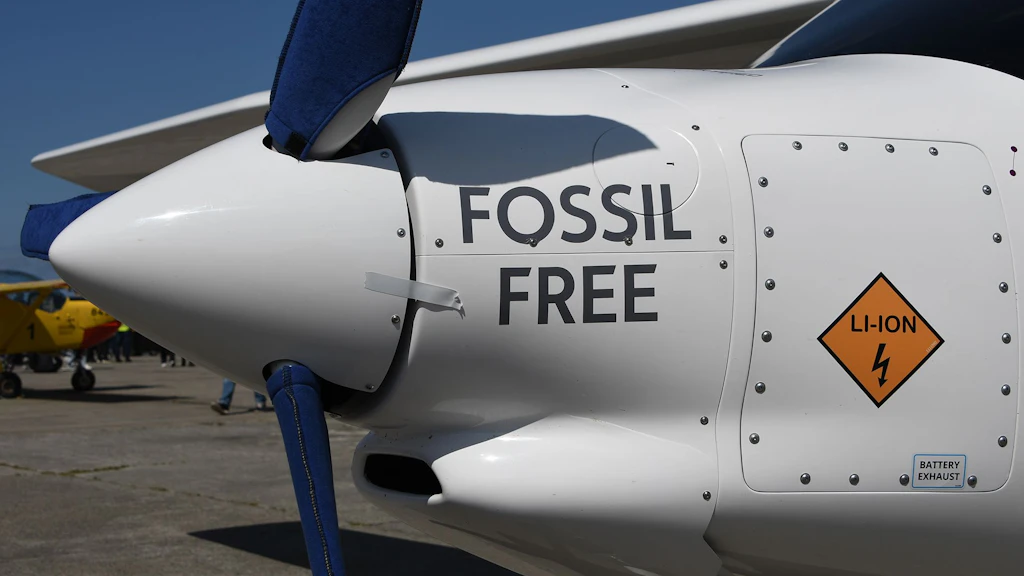
Electric Aircraft
The operation of electrically powered aircraft is currently in a rapid development phase. This technology is evolving quickly and regulations for areas such as initial airworthiness, continuing airworthiness, aircrew and operations are being defined.