
Climate

Under Switzerland’s Long-Term Climate Strategy, flights from Switzerland should no longer generate climate-impacting emissions in net terms by 2050 as far as possible.
Emissions from aviation contribute to global warming. This impact is produced directly by CO2 released during the combustion of aviation fuels, as wellas by other emissions which have an indirect effect on the climate.
To reduce aviation’s climate impact, Switzerland is pursuing the multi-level approach set out in the ICAO Action Plan. This consists of market-based, operational and technical measures, but increasingly also the use of sustainable aviation fuels. For a number of years Switzerland has been calling for an ambitious and coordinated approach on various international expert bodies.

Operational measures and fleet renewal
In addition to improved aircraft design, it is primarily optimised engine systems that contribute to reducing pollutants by aviation. Fuel consumption per passenger kilometre has fallen greatly since the 1960s. Switzerland is participating in a project that aims to change air traffic in Central Europe so that flights take more direct and fewer indirect routes to airports than at present.

Emissions
Air traffic causes various emissions that mix in the atmosphere and affect the climate and environment.

Measures
Overview of measures taken by Swiss aviation to reduce CO2 emissions.

The impact of climate change on aviation in Switzerland
Aviation is heavily dependent on the prevailing weather conditions. Global warming can change the nature of these conditions. Long-term changes to the meteorological conditions, such as temperature, precipitation, ground wind and storm systems, may affect the aviation sector in various ways.
SAF quota
International civil aviation currently accounts for 2 to 2.5 per cent of global CO2 emissions caused by human activity. The International Civil Aviation Organization (ICAO) has been aiming for carbon-neutral growth since 2020. In the long term, the ICAO has adopted a target of net-zero carbon emissions by 2050. Switzerland’s long-term climate strategy also stipulates that, as far as possible, Swiss aviation should produce no net greenhouse emissions by 2050. Since the Federal Act on Climate Protection Goals, Innovation and Strengthening Energy Security (ClA) came into force, the target of net-zero greenhouse gas emissions by 2050 has been mandatory for aviation in Switzerland. Stakeholders in the aviation sector have set similar targets.

Aviation and Climate funding programme
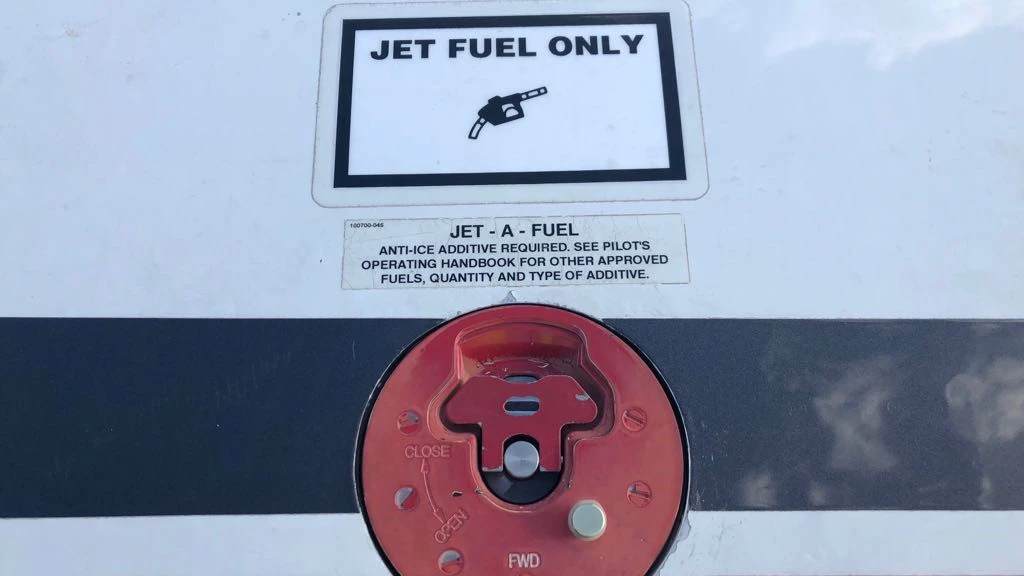
The revised CO2 Act came into force on 1 January 2025. It contains aviation reforms such as a new requirement to blend sustainable aviation fuels and a new Aviation and Climate funding programme. The Federal Council has specified these in the revised CO2 Ordinance. The Aviation and Climate funding programme will increase Switzerland’s support for measures to reduce greenhouse gas emissions from aviation. One example of such measures is the production of renewable aviation fuels.